

Top 10 Trending Planners for FY25 That You Need to Organize Your Life
March 15, 2025 | by jenniferloader1@outlook.com
Introduction to Planners and Their Importance
Planners are organizational tools designed to help individuals manage their time, track tasks, and set goals. They come in various formats, such as paper-based planners, digital apps, and hybrid systems, catering to diverse preferences and lifestyles. The essence of a planner lies in its ability to streamline daily activities, enhancing productivity while contributing to mental clarity. By using a planner, individuals can efficiently allocate their time, ensuring that both personal and professional commitments are acknowledged and prioritized.
One of the primary advantages of utilizing a planner is the improvement in productivity it fosters. By breaking down larger tasks into smaller, actionable steps, planners help users maintain focus on their objectives, minimizing distractions and procrastination. This structured approach not only drives progress but also instills a sense of accomplishment as individuals check off completed items. Additionally, planners often serve as reminders for important deadlines and appointments, reducing the likelihood of overlooking responsibilities.
When it comes to managing time effectively, planners play a critical role. Users can visualize their schedules, allowing them to allocate time for various activities, from work projects to personal errands. This clear overview facilitates better decision-making regarding how to spend one’s time, promoting a more balanced lifestyle. Moreover, allocating time for self-care, hobbies, and relaxation within a planner can significantly reduce stress levels, contributing positively to overall well-being.
Choosing the right planner tailored to individual needs is essential for maximizing these benefits. Preferences for layout, size, and additional features vary considerably among users. Some may prefer a simple, minimalist design, while others might benefit from planners that incorporate goal-setting sections or motivational quotes. Identifying which type aligns best with personal habits ensures that users are more likely to engage consistently with their planning tools, ultimately leading to a more organized, productive life.
Key Features to Look for in a Planner
When selecting a planner, it is essential to consider the features that cater to personal organization needs. A planner’s layout style is crucial, as it determines how well users can manage their schedules. Popular formats include daily, weekly, and monthly layouts. Daily planners are ideal for individuals who prefer in-depth scheduling, allowing for detailed hour-by-hour planning. Conversely, weekly planners offer a broader view, enabling users to see their entire week at a glance. Monthly planners, on the other hand, provide an overview of the month’s key events, suitable for long-term planning.
Another important aspect to consider is the size of the planner. Planners come in various dimensions ranging from portable options that fit easily into a bag, to larger desktop varieties that provide ample writing space. Portable planners are perfect for those who are constantly on-the-go and require a compact way to stay organized. However, for individuals who prefer at-a-glance views without the constraint of limited space, a larger planner can facilitate easier navigation and note-taking.
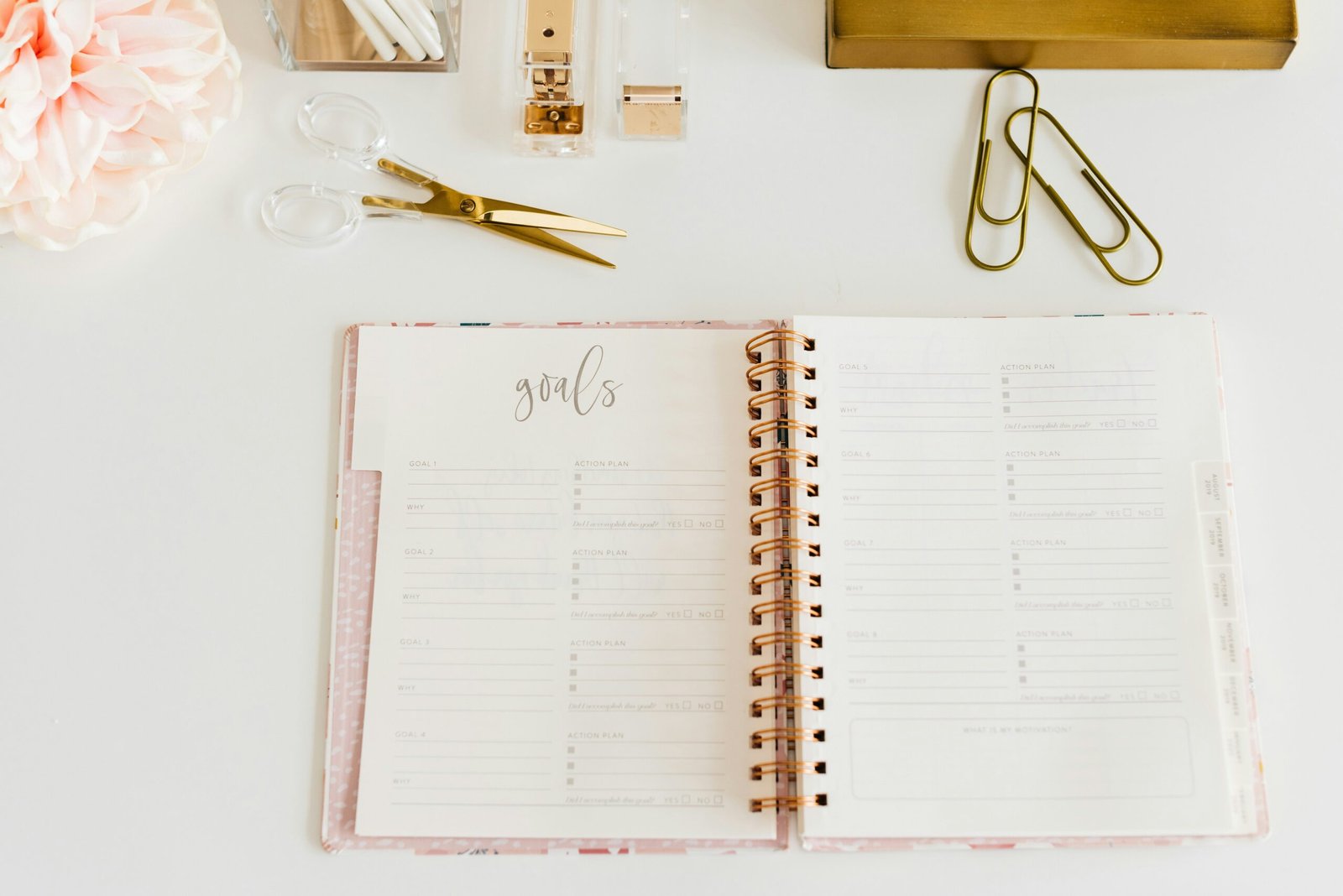
Functionality is equally vital when choosing a planner. Many handcrafted planners include sections dedicated to goal-setting, to-do lists, and note-taking. These features enhance the overall usability of the planner, allowing users to keep their aspirations alongside their daily tasks. Incorporating goal-setting pages encourages individuals to reflect on their objectives regularly, further enhancing productivity. Moreover, to-do lists help streamline daily responsibilities, leading to more efficient time management.
Finally, the aesthetic and design of a planner play a key role in user engagement. A visually appealing planner can motivate users to utilize it consistently. Whether it includes vibrant colors or minimalist layouts, a planner’s design should resonate personally. An attractive planner not only serves as a functional tool but can also be an enjoyable companion in the journey of staying organized.
Top 9 Trending Planners for FY25
In the fast-paced world we live in, effective organization is paramount. As we approach FY25, numerous planners have risen to prominence, each offering distinctive features tailored to various organizational needs. Below is a curated list of the top 10 trending planners for FY25 that can help streamline your daily activities and enhance productivity.
1. The Passion Planner: Known for its goal-oriented approach, this planner combines personal and professional planning, allowing users to map out long-term objectives while managing daily tasks. The Passion Planner’s unique layout encourages reflection and mindfulness.
2. The Happy Planner: This customizable planner stands out for its use of colorful designs and stickers, appealing particularly to creatives. Users can easily add or remove pages, making it a flexible choice for those who like to personalize their organization system.
3. Moleskine Classic Planner: For those who appreciate simplicity, the Moleskine Classic Planner offers a timeless design with high-quality paper. Its minimalist structure suits users who prefer straightforward scheduling without distraction.
4. Erin Condren LifePlanner: Featuring a variety of designs, the Erin Condren LifePlanner is known for its versatility. Users can choose between daily, weekly, or monthly layouts and benefit from personalized options, making it ideal for multi-faceted planning.
5. Leuchtturm1917 Weekly Planner: This planner is popular among bullet journal enthusiasts for its durable design and numbered pages. The Leuchtturm1917 allows for significant creativity in layout while offering structured weekly and monthly overviews.
6. Panda Planner: Incorporating elements of productivity and positivity, the Panda Planner is designed to boost motivation. The planner has sections focused on gratitude and achievements, enhancing the overall planning experience.
7. Hobonichi Techo: An innovative Japanese planner known for its thin, ultra-light pages, the Hobonichi Techo allows for detailed daily entries. Its unique format encourages users to engage in daily journaling alongside scheduling.
8. Day Designer: Tailored for busy individuals, the Day Designer helps users prioritize daily tasks. The detailed layout includes dedicated space for time-blocking, ensuring important tasks don’t get overlooked.
9. Clever Fox Planner: This planner is designed for both personal and professional development. Its structured pages guide users through setting and tracking goals, making it suitable for individuals striving for holistic growth.
These planners reflect the growing trend towards personalized organization solutions and cater to a variety of preferences and needs. As FY25 approaches, investing in one of these top planners could significantly enhance your ability to manage time effectively.
Budget-Friendly Planner Options
For individuals aiming to enhance their organizational skills without a hefty expenditure, budget-friendly planners present an excellent avenue. These planners offer a blend of functionality and affordability, making them suitable for students, professionals, and anyone looking to improve their time management. Among the top trending planners for FY25, several affordable options stand out for their quality and utility.
One such planner is the Focus Planner, known for its sleek design and practical layout. Priced affordably, it provides daily and weekly sections that allow users to prioritize tasks effectively. This planner not only encourages productivity but also features additional sections for goal setting and reflection, fostering a proactive planning approach.
Another noteworthy option is the Simple Steps Planner, which is recognized for its simplicity and functionality. This planner is designed for individuals who prefer a minimalist approach while still benefiting from essential organizational tools. Its budget-friendly price point makes it accessible to a wide audience, ensuring that individuals do not have to compromise on quality while managing their finances.
The Budget Boss Planner is yet another planner that aligns with both cost efficiency and planning efficacy. It includes financial planning tools alongside traditional goal-setting features, making it an ideal choice for those keen on tracking expenses while organizing their lives. This dual functionality ensures users can maintain financial well-being alongside productivity goals.
Moreover, the Eco-Friendly Planner has gained traction due to its sustainable materials and budget-conscious pricing. With a focus on environmental responsibility, this planner emphasizes that affordability does not have to compromise values. By integrating smart design and ethical production, it appeals to consumers who prioritize sustainability alongside practicality.
Incorporating any of these budget-friendly planner options can significantly enhance one’s organizational capabilities without an overwhelming financial burden. These planners exhibit that quality and affordability can coexist, ultimately aiding users in achieving their personal and professional goals efficiently.
Eco-Friendly Planner Choices
As the demand for sustainable products grows, many planner brands have risen to the occasion, offering eco-friendly options that align with an environmentally conscious lifestyle. In FY25, an increasing number of planners are made from recycled materials, reflecting a commitment to reducing waste and promoting sustainability. These planners not only serve their functional purpose but also cater to consumers who are mindful of their ecological footprint.
One prominent feature of eco-friendly planners is their use of recycled paper sourced from post-consumer waste. This practice significantly reduces the carbon footprint associated with paper production. Brands such as Greenroom and Earth-Friendly Paper prioritize using materials that are both sustainable and high in quality. By offering planners that contain organic and non-toxic inks, these companies ensure that their products are safe for the environment, further enhancing their appeal to conscious consumers.
Moreover, some brands are implementing innovative practices in their production processes. For example, Wildflower Planner employs sustainable sourcing and manufacturing techniques that minimize environmental impact. This brand not only focuses on the materials themselves but also emphasizes the ethical standards of their sourcing partners, ensuring that workers are treated fairly and responsibly.
In addition to the materials, eco-friendly planners often promote the idea of conscious consumerism through their messaging and branding. By choosing planners that are designed with sustainability in mind, consumers can not only organize their lives more efficiently but also contribute to a larger movement towards environmental responsibility. This approach encourages the understanding that every small choice can lead to a significant positive impact on the planet.
Ultimately, selecting eco-friendly planners for FY25 is a step toward integrating sustainability into daily routines. As awareness of environmental challenges grows, more individuals are likely to appreciate the value of choosing planners that reflect their commitment to the planet, fostering a culture of sustainability in stationery use.
Digital Planners vs. Traditional Planners
The choice between digital planners and traditional paper planners often sparks considerable discussion among individuals seeking to enhance their organizational skills. Each format offers distinct advantages and disadvantages that may align differently depending on personal preferences and lifestyle needs.
Digital planners provide a level of convenience that is hard to overlook. They allow users to access their schedules and notes from multiple devices, including smartphones, tablets, and computers. This accessibility is especially beneficial for individuals who are constantly on the go. Additionally, digital planners often come equipped with features such as reminders, notifications, and the ability to sync schedules with other applications. These capabilities can streamline tasks and help manage time effectively. However, some users might find digital interfaces overwhelming or distracting, which can diminish their productivity.
On the other hand, traditional planners appeal to those who appreciate the tactile experience of writing. The act of penning down thoughts and tasks can create a sense of connection and commitment. Moreover, paper planners often encourage creativity, as users can customize layouts with drawings, stickers, and colors. This hands-on approach may foster mindfulness and improve focus, which are essential in a world filled with digital distractions. However, traditional planners do not offer the convenience of portability in the same manner as their digital counterparts, and once a page is filled, users may need to carry around additional planners or notebooks.
Ultimately, the decision between digital and traditional planners hinges on individual lifestyle and preferences. While some may prioritize convenience and accessibility associated with digital formats, others might value the creativity and focus that traditional planners provide. Assessing personal needs can help guide this choice, ensuring that the selected planner contributes positively to one’s organizational journey.
Customization and Personalization Options
In recent years, the trend of customizable planners has gained significant traction among individuals seeking to optimize their organizational skills. This growing demand for personalization reflects a broader desire for tools that resonate with personal styles and specific needs. Customization can take various forms, from selecting covers and layouts to adding unique templates or stickers that improve functionality and aesthetic appeal. By tailoring planners to reflect individual preferences, users can foster a more engaging and motivating experience.
One of the prominent options for personalization is the ability to choose planner covers. This simple yet effective feature allows users to select designs that resonate with their personal taste while ensuring that their planner stands out. Additionally, there is an increasing array of customizable layouts that cater to different planning styles, such as daily, weekly, or monthly formats. This adaptability makes planners suitable for a diverse range of users, whether they are students, professionals, or busy parents.
Moreover, planners with built-in templates facilitate project management, to-do lists, and goal-setting exercises. Users can find templates designed for various activities, enhancing the planner’s versatility. Furthermore, sticker sets and decorative elements have emerged as popular tools for boosting engagement with planners. The act of decorating and customizing pages offers a creative outlet, making planner usage not only a practical task but also a rewarding form of self-expression.
Ultimately, the emphasis on customization and personalization is rooted in the understanding that as users develop a stronger connection with their planners, they are more likely to utilize them effectively. By incorporating personalized features into their organizational tools, individuals can elevate the overall planner experience, making it a more integral part of their daily lives.
Tips for Getting the Most Out of Your Planner
Utilizing a planner effectively can significantly enhance your organizational skills and help you manage various aspects of your life, especially in FY25. To maximize the benefits of your planner, consider establishing a consistent planning routine. Dedicate a specific time each week—perhaps on Sunday evenings—to plan for the upcoming week. This will allow you to review tasks from the previous week, assess your progress, and set new goals accordingly.
Prioritizing tasks is another essential strategy for getting the most out of your planner. Assign priorities to your daily and weekly tasks using a system such as the Eisenhower Matrix, which categorizes tasks based on urgency and importance. This method will help you focus on high-priority tasks first, reducing feelings of overwhelm and ensuring that critical deadlines are met.
Setting clear and achievable goals is fundamental to effective planning. Break larger goals into smaller, actionable steps that can be tracked within your planner. By setting specific deadlines for each step, you can monitor your progress and stay motivated. Additionally, consider incorporating a habit tracker into your planner to help you maintain consistency in developing new habits and routines. Regularly reviewing this tracker can offer insights into your progress and motivate you to stay on course.
Finally, maintaining consistency in planner usage is crucial for its effectiveness. Treat your planner as an integral part of your daily routine—carry it with you, and make it a habit to update it regularly. By integrating your planner into your life, you create a reliable tool that supports your organizational efforts and enhances productivity throughout FY25. Through these practices, one can transform a simple planner into a powerful guide to achieving personal and professional aspirations.
Conclusion: Finding Your Perfect Planner
In evaluating the top ten trending planners for FY25, it’s evident that the right planner can dramatically enhance one’s ability to stay organized and achieve personal and professional goals. Each planner featured is designed with unique features tailored to various planning styles, making it essential for individuals to consider their own preferences and requirements when making a selection.
When assessing different planners, it is crucial to identify what specific functionalities resonate most with your planning habits. For some, a daily planner that allows for detailed scheduling may be the best fit, while others might benefit from a more flexible weekly layout that accommodates broader goal-setting and reflection. Furthermore, planners that incorporate wellness aspects can be particularly beneficial for those prioritizing mental health and work-life balance in the upcoming fiscal year.
Regardless of the style you choose, the planners highlighted in this blog offer a diverse array of options that cater to different organizational needs. Each one showcases thoughtful design elements that enhance usability. As you embark on your planning journey for FY25, take a moment to reflect on how each planner aligns with your lifestyle and objectives.
Ultimately, selecting the perfect planner requires time and introspection. Assess your own planning style, goals, and how you envision utilizing a planner to keep your life organized. Remember, the right planner not only helps in maintaining order but also serves as a motivational tool to drive you toward your aspirations. With the right choice, you can navigate the complexities of daily life with greater ease and efficiency.